
"Costa Rica high altitude coffee"
1000 article(s) found

Costa Rican Coffee beans with the Royal Manor of Saint Roman
The coffee beans produced at the high latitudes of Costa Rica are famous in the world, full-bodied, mild in taste, but extremely sour. The coffee beans here have been carefully processed, which is why they have high quality coffee. Located in the south of SanJos, the capital of Tarasu, Costa Rica is one of the most valued coffee growers in the country. Tarasu in Costa Rica (

A brief introduction to the planting market price of Costa Rican Diamond Hill boutique coffee beans with unique flavor
However, while there are many advantages to growing coffee at higher elevations, the resulting additional transport costs must be taken into account, which is likely to make coffee production unprofitable. The coffee industry in Costa Rica has adopted new technologies to increase efficiency, including the use of electric eyes to select beans and identify coffee beans of irregular size due to the higher coffee industry in Costa Rica.

Costa Rican boutique coffee brief introduction to Costa Rica
Costa Rican coffee has full grains, ideal acidity and unique strong aroma. Tarrazu of Costa Rica is one of the major coffee producing areas in the world. Costa Rica, with its fertile volcanic soil and good drainage, is the first country in Central America to grow coffee and bananas for commercial value. Coffee and bananas

Description of Coffee Flavor of Costa Rica Saint Roman Manor with extra hard beans at High altitude
The research center, located about 30 kilometers northeast of the Costa Rican capital San Jose, belongs to the Costa Rican Coffee Association and is a research institution for villa sarchi planting, breeding and quality inspection newly developed by Costa Rica's national coffee breeds. in addition, it also has 10 hectares of experimental plots, planting a number of excellent varieties. Coffee is the main agricultural product in Costa Rica, with an annual output of more than 2 million bags

A brief introduction to the Origin, Development, History and Culture of Fine Coffee beans in Diamond Hill Manor, Costa Rica
Costa Rica has the most advanced coffee water treatment technology in the world. SHB produced by Shepherd Boy Manor is a typical representative of Costa Rican boutique coffee. The coffee beans produced in the high latitudes of Costa Rica are famous in the world, full-bodied, mild in taste, but extremely sour. The coffee beans here have been carefully processed, which is why there is high-quality coffee. Coffee is my brother.
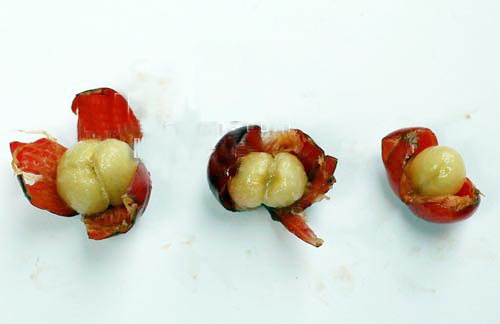
Costa Rican Honey from Organic Ecological Manor Coffee Bean Red Honey treatment
The coffee beans produced at the high latitudes of Costa Rica are famous in the world, full-bodied, mild in taste, but extremely sour. The coffee beans here have been carefully processed, which is why they have high quality coffee. Located in the south of SanJos, the capital of Tarasu, Costa Rica is one of the most valued coffee growers in the country. Tarasu in Costa Rica (

Description of Coffee Flavor in Saint Roman Manor, Costa Rica introduction of fine coffee in producing areas
Other kinds of Brazilian coffee, such as Rio and Parana, can be produced in large quantities because they do not need too much care. Although the taste is rough, it is a kind of good and cheap coffee. It has its own standard because it is distributed all over the country and its solid quality varies. It has its own standard (NO.2~NO.8 according to the number of sundries, NO.13~NO.19 according to the size of beans, and six grades according to taste).

Costa Rican Coffee-Origin Flavor Taste Estate Introduction Costa Rican Coffee Flavor
Costa Rican Coffee-Origin Tarrazu, Costa Rica, is one of the world's leading coffee producers, producing coffee with a light, pure flavor and pleasant aroma. Costa Rica's volcanic soils are fertile and well drained, making it the first country in Central America to grow coffee and bananas for commercial value. Coffee and bananas are the country's main exports. 1729

Pure flavor Costa Rica Goddess Manor Coffee Flavor Description Grind Taste Characteristics Variety
Costa Rica, which produces one-third of the world's coffee in all grades and varieties, has a place in the global coffee market. Although Costa Rica faces many times more natural disasters than other regions, its arable area is enough to compensate. There are many kinds of coffee here, but its industrial policy is large and cheap, so it is especially superior coffee and

A brief introduction to the description of the flavor, taste and aroma characteristics of Costa Rica Tarazhu boutique coffee beans
Coffee was introduced into Costa Rica from Cuba in 1729. Today, its coffee industry is one of the well-organized industries in the world, with a yield of 1700 kg per hectare. Costa Rica has only 3.5 million people but 400m coffee trees, and coffee exports account for 25 per cent of the country's total exports. The volcanic soil of Costa Rica is very fertile and well drained, especially in the central part.

Looking for Organic Coffee beans Brother American speciality Costa Rican Coffee varieties brief introduction to planting Climate and altitude
Costa Rican coffee cultivation has a long history, but in the past 10 years, the new dry treatment method has become a trend, collectively known as the new method of honey treatment, honey treatment is a treatment between the sun method and water washing method. It keeps the coffee clean by washing, and because it is dried in the sun together with the pulp mucosa, it greatly increases the sweetness and charring of the coffee.

A brief introduction to the description of flavor and aroma characteristics of Costa Rican Diamond Hill boutique coffee beans
Costa Rican coffee has full particles, ideal acidity and unique strong flavor. Costa Rica's coffee industry, originally controlled by the Costa Rican Coffee Industry Company (InstitutodelCafdeCostaRica, ICAFE), has been taken over by the official Coffee Committee (OficinadelCaf). In exported coffee, those products that are considered to be of substandard quality are used in blue.

A brief introduction to the description of flavor and aroma characteristics of Costa Rican Diamond Mountain boutique coffee beans
Costa Rica's production is small, with an annual output of about 110000 tons, ranking seventh in Central and South America. Costa Rica is dominated by recent coffee varieties, such as Kaddura, Kaduai, New World, etc., while the ancient bourbon and Tibica are rare. There are also many varieties in the territory, the most famous is the bourbon variety Vera Saatchi, a variety of elegant flavor, Brazil has also been introduced and planted, has won a prize.
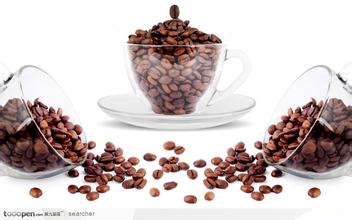
Introduction to the processing methods of Fine Coffee in Chateau Saint-Roman, Costa Rica
There are many kinds of coffee here, but its industrial policy is large and cheap, so there is not much premium coffee, but it is a good choice for mixing other coffees. One of the most famous is Mountain Costa Rica Coffee, which tastes mellow and neutral. It can be boiled directly or mixed with other kinds of coffee beans to form a mixed coffee. It is also a good choice. Other kinds of Brazil

Boutique Coffee Costa Rica Coffee Region Central Valley
Costa Rica's high latitudes produce coffee beans famous in the world, rich, mild taste, but extremely acidic, coffee beans here are coffee beans carefully processed, because of this, only high-quality coffee. Tarasu, south of San Jos, Costa Rica's capital, is one of the country's most prized coffee plantations. Tarasu (

Introduction to the characteristics of boutique coffee bean flavor producing areas in Costa Rica Coffee Goddess Manor
Coffee was introduced into Costa Rica from Cuba in 1729. Today, its coffee industry is one of the well-organized industries in the world, with a yield of 1700 kg per hectare. Costa Rica has only 3.5 million people but 400m coffee trees, and coffee exports account for 25 per cent of the country's total exports. The volcanic soil of Costa Rica is very fertile and well drained, especially in the central part.

Unique strong Diamond Hill Manor of Costa Rica Fine Coffee beans Grinding degree roasting degree treatment
Coffee was introduced into Costa Rica from Cuba in 1729. Today, its coffee industry is one of the well-organized industries in the world, with a yield of 1700 kg per hectare. Costa Rica, with a population of only 3.5 million, has 400 million coffees, and coffee exports account for 25% of the country's total exports. The volcanic soil of Costa Rica is very fertile and well drained, especially in the central part.

Costa Rican coffee plantation with unique aroma and strong taste characteristics
Costa Rican coffee is full of particles, with ideal acidity and unique aroma. Costa Rica's coffee industry, formerly controlled by the Instituto del Café de Costa Rica (ICAFE), has been taken over by the Official Coffee Council (Oficina del Caf). In coffee exports, those deemed substandard are marked with blue.

A brief introduction to the Market Price of Costa Rica Tarazhu Fine Coffee Bean varieties
Other kinds of Brazilian coffee, such as Rio and Parana, can be produced in large quantities because they do not require too much care. Although the taste is rough, it is a kind of high-quality and inexpensive coffee, which has its own standards because it is distributed all over the country and its solid quality varies (NO.2NO.8 according to the number of sundries, NO.13NO.19 according to the size of beans, six grades according to taste).

An introduction to the Tarasu region of Costa Rica, one of the major coffee producing countries in the world
Tarrazu in Costa Rica is one of the major coffee producing areas in the world. The coffee produced is light and pure in flavor and pleasant in aroma. Costa Rica, with its fertile volcanic soil and good drainage, is the first country in Central America to grow coffee and bananas for commercial value. Coffee and bananas are the country's main exports. In 1729, coffee was introduced from Cuba to Goth.